
In this guide, you can understand which type of coverage may fit a household’s budget, age, health profile, and financial obligations.
What Life Insurance Is Designed to Do
Life insurance generally provides a death benefit to beneficiaries, such as a spouse, children, relatives, or another named person or entity. According to the National Association of Insurance Commissioners, term life insurance covers a specific period and pays beneficiaries if the insured dies during that term.
People commonly use life insurance to help with:
Common Need | How Life Insurance May Help |
|---|---|
Income replacement | May help beneficiaries manage living expenses after a loss |
Mortgage or rent support | May help cover housing-related costs |
Childcare or education | May support dependents’ future needs |
Debt obligations | May help with certain outstanding financial responsibilities |
Final expenses | May help cover funeral or burial-related costs |
Estate planning | May be used as part of broader financial planning |
The right amount of coverage depends on income, debts, dependents, existing savings, employer benefits, and long-term goals. Because policy terms vary, consumers should read policy documents carefully before relying on any estimate or illustration.
Term Life Insurance
Term life insurance is often considered the simplest form of coverage. It is purchased for a specific period, such as 10, 20, or 30 years, and generally pays a death benefit only if the insured dies during the policy term. The NAIC notes that term life is intended to provide lower-cost coverage for a specific period.
Many consumers search for Affordable term life insurance because term coverage may offer a higher death benefit for a lower initial premium than permanent life insurance. This can make it useful for families who want coverage during high-responsibility years, such as while raising children or paying a mortgage.
When comparing Best term life insurance companies, it is safer to avoid relying only on advertising claims. Instead, consumers may review:
Financial strength ratings from recognized rating agencies
Policy term lengths available
Conversion options to permanent coverage
Renewal rules after the initial term
Medical exam or no-exam underwriting requirements
Exclusions, limitations, and rider availability
Some term policies are renewable, but premiums may increase after the initial term. The NAIC buyer’s guide advises consumers to ask what premiums will be before renewal and whether the right to renew ends at a certain age.
Whole Life Insurance Policy
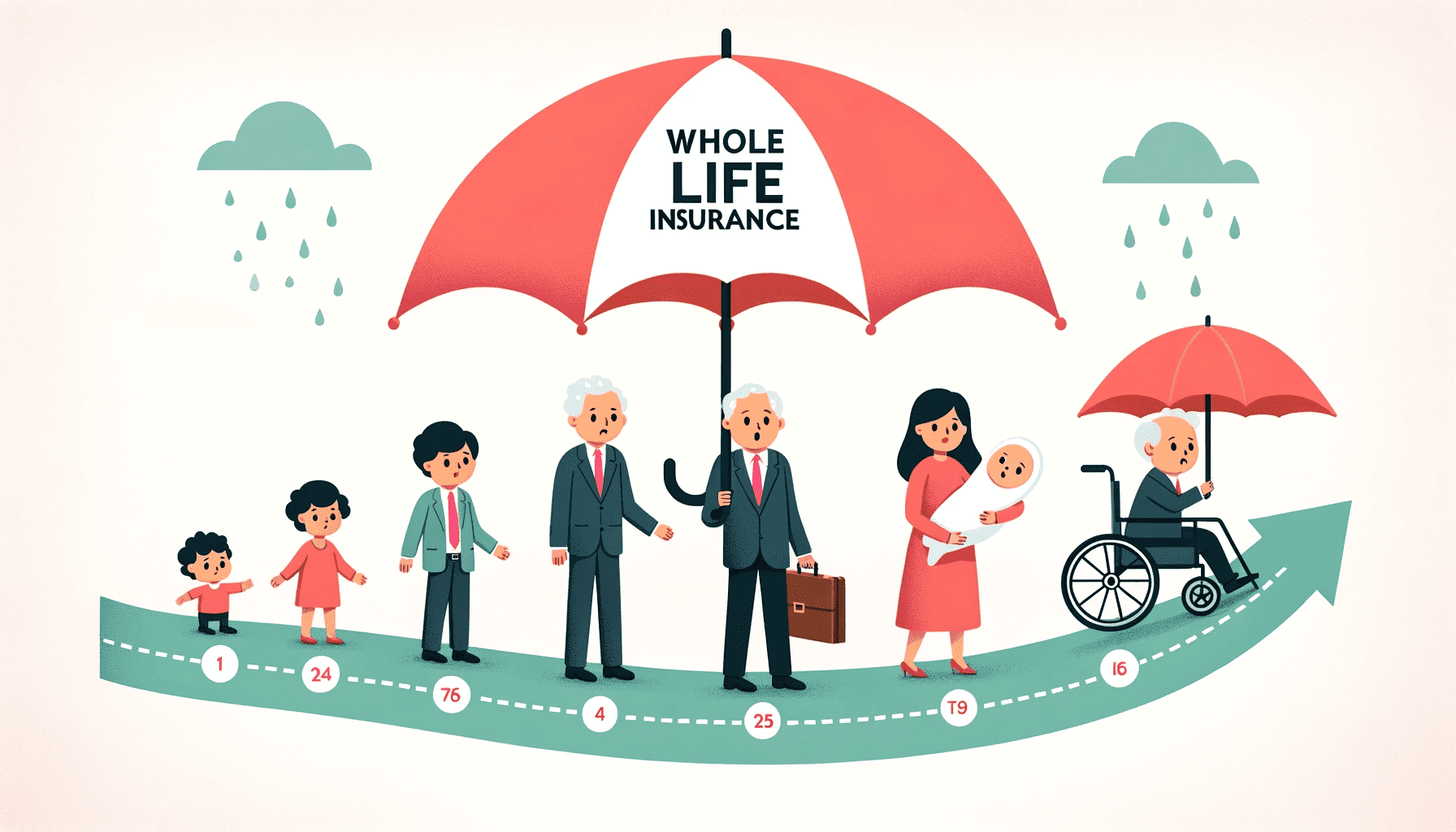
A whole life insurance policy is a type of permanent life insurance. Unlike term insurance, permanent life insurance is generally designed to provide coverage for life as long as required premiums are paid. The Insurance Information Institute explains that whole life or permanent insurance pays a death benefit whenever the policyholder dies, subject to policy terms.
Whole life insurance typically includes:
A guaranteed death benefit, subject to policy conditions
Fixed or predictable premiums in many traditional policies
Cash value that may grow over time
Possible dividends in some participating policies, though dividends are not guaranteed