
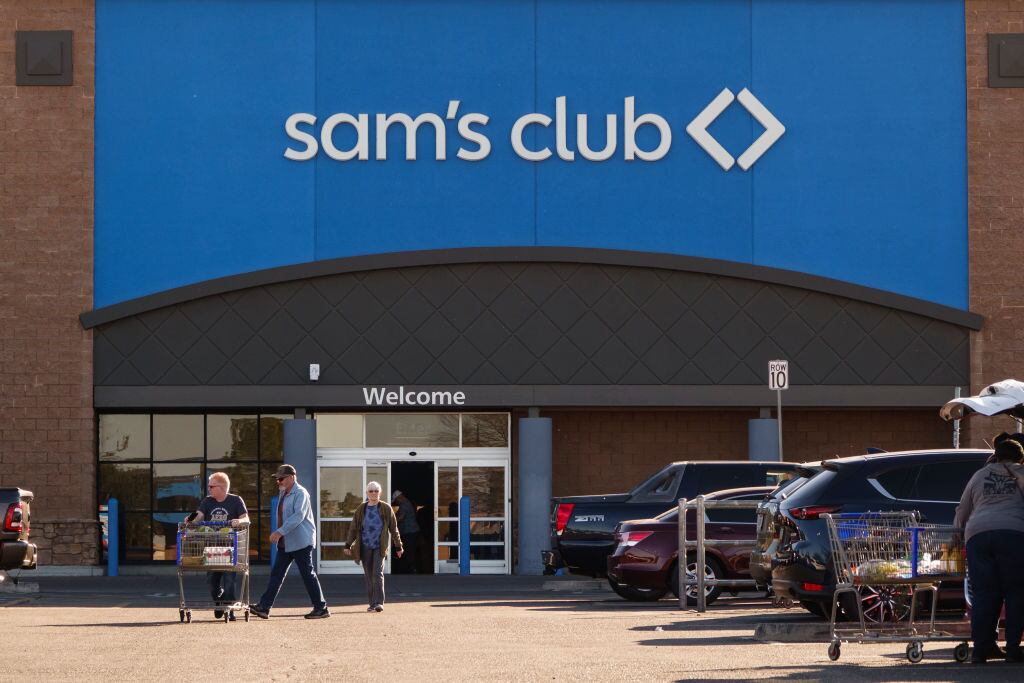
Understanding What “Sam’s Club Car Insurance” May Mean
The phrase “Sam’s Club car insurance” can mean different things depending on the user’s intent. Some people may be searching for a direct insurance product under the Sam’s Club brand. Others may be looking for member-related auto services, car-buying tools, or ways to manage the overall cost of owning a vehicle.
The most important point is that auto-related services and auto insurance are not the same thing. A vehicle-buying program can help with researching and purchasing a car, while an insurance policy is a separate financial contract that helps protect against certain losses related to driving, liability, or vehicle damage.
When reviewing any Sam’s Club auto-related offer, drivers should ask:
Is this an insurance policy or an auto-shopping service?
Who provides or administers the service?
Are there third-party partners involved?
Are there state-specific eligibility or availability limits?
Does the offer include insurance coverage, or does it only support vehicle research or purchase decisions?
This distinction helps prevent confusion and supports more accurate comparison shopping.
How Auto Insurance Usually Works in the U.S.
Auto insurance is regulated mainly at the state level, which means requirements vary depending on where the vehicle is registered. The National Association of Insurance Commissioners explains that auto insurance can be confusing and encourages consumers to review different coverage types, pricing factors, and comparison tools before buying a policy.
Most car insurance policies are built around several coverage categories:
Coverage Type | What It Generally Helps Cover | Notes |
|---|---|---|
Bodily injury liability | Injuries to other people when the insured driver is at fault | Often required by state law |
Property damage liability | Damage to another person’s vehicle or property | Often required by state law |
Collision | Damage to the insured vehicle from a crash with another vehicle, object, pothole, or rollover | Often optional unless required by a lender or lease |
Comprehensive | Non-collision losses such as theft, hail, windstorm, flood, fire, or animal impact | Often optional unless required by a lender or lease |
Uninsured/underinsured motorist | Certain losses caused by a driver with no insurance or insufficient insurance | Required or optional depending on state |
Collision and comprehensive coverage are commonly associated with “full coverage,” but that term is not a single standardized legal definition. NAIC materials describe collision as coverage for damage from crashes or similar events, while comprehensive reimburses for many types of non-collision damage.
What “Full Coverage” Usually Means
Many drivers compare car insurance using the phrase “full coverage.” In everyday use, this usually means a policy that includes liability coverage, collision coverage, and comprehensive coverage. It may also include other protections depending on the state and insurer.
However, drivers should not assume that every “full coverage” policy is identical. Two policies may both be called full coverage but differ in:
liability limits
deductibles
rental reimbursement
roadside assistance
medical payments or personal injury protection
uninsured or underinsured motorist coverage
exclusions and claim rules
For a newer, financed, or leased vehicle, collision and comprehensive may be required by the lender or lease agreement. For an older paid-off vehicle, the decision may depend on the vehicle’s value, the premium, and the driver’s ability to handle repair or replacement costs.
How to Compare Auto Insurance Quotes
When comparing auto insurance quotes, the monthly premium is only one part of the decision. A lower premium may reflect lower limits, higher deductibles, fewer optional coverages, or a different claims structure.