
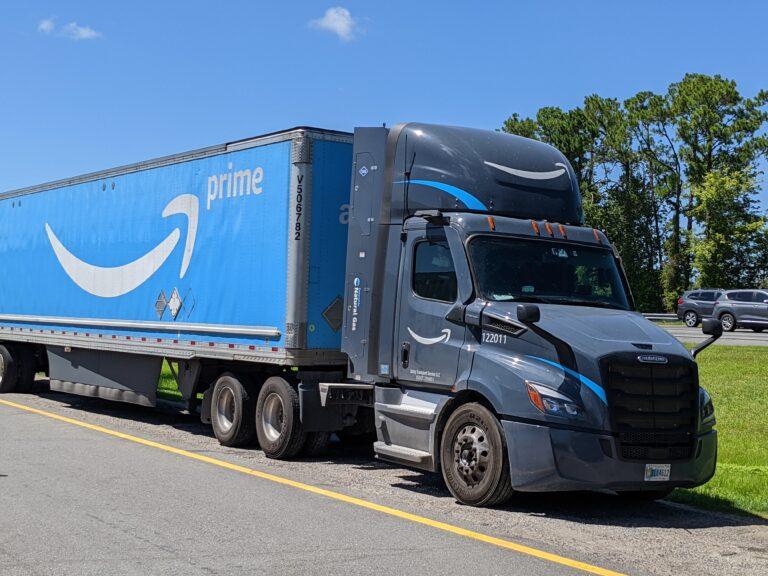
How Amazon-Related Truck Driving Jobs Are Structured
Amazon-related driving jobs are not all the same. Some drivers may work directly in Amazon logistics roles, while others may work for Delivery Service Partners, Amazon Freight Partners, independent carriers, or trucking companies that use Amazon Relay. Amazon’s official delivery driver hiring page notes that some driver roles require only a valid driver’s license and that a non-CDL license may be acceptable for certain delivery roles.
For heavier freight and tractor-trailer work, Amazon Freight Partner opportunities generally focus on CDL-A truck driver positions offered through participating partner companies. Amazon’s Freight Partner jobs site describes these as professional driving opportunities with Amazon Freight Partners, not necessarily direct Amazon employment.
This distinction matters because pay structure, schedule, benefits, vehicle type, licensing requirements, and employer responsibilities may vary depending on whether the role is through Amazon, a local delivery partner, a freight partner, or an independent carrier.
Common Types of Amazon-Related Driving Roles
Local Delivery Driver Roles
Some Amazon-related delivery roles involve driving vans or smaller commercial vehicles for local package routes. These may appeal to people searching for Non CDL Truck Driving Jobs or local delivery positions. Requirements often include a valid driver’s license, safe driving history, physical ability to load and deliver packages, and availability for scheduled shifts. Specific requirements vary by employer, location, vehicle type, and route.
These roles may not be the same as a traditional Truck Driving job involving tractor-trailers. However, they can provide experience in route management, customer delivery, vehicle inspection, and logistics operations.
Amazon Freight Partner CDL-A Roles
Amazon Freight Partner roles are more closely connected to tractor-trailer freight work. These positions may involve moving trailers between Amazon facilities, freight yards, or regional logistics points. Since heavy and tractor-trailer drivers must have a commercial driver’s license, CDL requirements are an important factor for applicants considering this path. The U.S. Bureau of Labor Statistics states that heavy and tractor-trailer truck drivers must have a CDL.
Applicants interested in these roles should review the job posting carefully to confirm whether the position is local, regional, overnight, full-time, part-time, or rotating schedule.
Amazon Relay and Carrier Opportunities
Amazon Relay is designed for approved carriers and owner-operators rather than casual job applicants. Amazon Relay states that carriers need requirements such as a DOT number with interstate authority, a valid MC number, appropriate carrier entity type, and acceptable FMCSA safety rating.
This path is usually more relevant for business owners, trucking companies, or independent carriers than for someone looking for entry-level Truck Driving Jobs. It may involve business expenses, insurance, compliance responsibilities, equipment costs, and contract management.
CDL vs. Non-CDL Truck Driving Jobs
One of the most important decisions for job seekers is whether to pursue CDL or non-CDL work.