
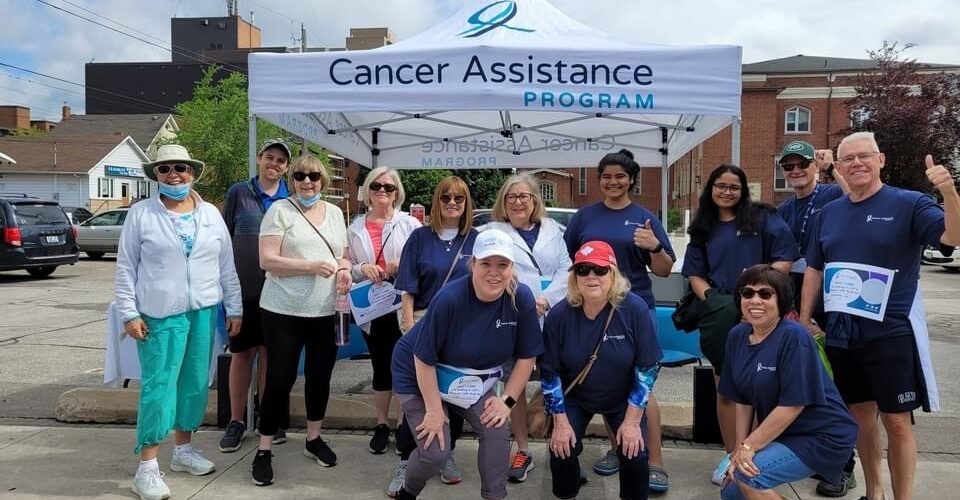
Understanding Cancer Assistance Programs
Cancer assistance programs, cancer grants, and related financial assistance resources may help eligible patients manage some of these expenses. These programs are usually offered by nonprofit organizations, hospitals, government agencies, charitable foundations, and disease-specific groups. They may not cover every cost, and availability can vary by location, diagnosis, income level, insurance status, and funding cycles. However, understanding the main categories of support can help patients and caregivers identify practical options.
This guide explains common types of Cancer Assistance Programs in the USA, including help for cancer patients with bills, cancer housing assistance programs, cancer housing grants, transportation support, insurance-related assistance, and nonprofit financial aid.
Understanding Cancer Assistance Programs
Cancer assistance programs are designed to reduce financial and logistical barriers that may interfere with treatment or recovery. Some programs provide direct financial assistance, while others offer services such as rides to treatment, lodging near cancer centers, insurance navigation, counseling, or referrals to local resources.
The American Cancer Society notes that cancer-related expenses may include transportation, food, housing needs, caregiver expenses, dental care, internet access, and other support needs connected to treatment and daily living.
Patients may encounter several types of support:
Medical cost assistance may help with deductibles, co-pays, prescriptions, or treatment-related expenses.
Non-medical assistance may help with rent, utilities, groceries, transportation, lodging, or childcare.
Navigation services may help patients understand insurance, hospital charity care, Medicaid, Medicare, or nonprofit grants.
Disease-specific programs may focus on breast cancer, blood cancers, lung cancer, rare cancers, pediatric cancer, or other diagnoses.
Because many programs have limited funds, patients are often encouraged to ask hospital social workers, oncology financial navigators, or nonprofit case managers about available options early in the treatment process.
Help for Cancer Patients With Bills
Help for cancer patients with bills may come from several sources. Hospitals and cancer centers often have financial assistance or charity care policies, especially nonprofit hospitals. These programs may reduce or forgive certain medical bills for patients who meet income and residency requirements. Patients can usually ask the hospital billing department or patient financial services office for an application.
Insurance-related support is another important area. Patients who are uninsured or underinsured may explore Marketplace plans, Medicaid, Medicare, or state-level programs. HealthCare.gov states that people may be able to enroll in Marketplace coverage after certain life events and may qualify for Medicaid or the Children’s Health Insurance Program depending on income and eligibility.
For insured patients, co-pay assistance foundations may help with out-of-pocket costs for eligible medications or treatments. These programs are often diagnosis-specific and may open or close based on available funding. Patients should review eligibility rules carefully, as assistance may depend on diagnosis, insurance type, income, and prescribed treatment.
CancerCare, a national nonprofit organization, offers limited financial assistance for cancer-related costs and co-pays, and its oncology social workers can help patients locate additional resources.
Cancer Grants and Financial Assistance Options
Cancer Grants can refer to several kinds of financial support. Some grants are paid directly to patients, while others are paid to service providers, hospitals, transportation organizations, or community agencies. In many cases, grants are intended to address a specific need rather than provide broad income replacement.
Common grant categories include:
Treatment-related expense grants, which may help with transportation, home care, or childcare.
Co-pay and medication assistance grants, which may help insured patients manage out-of-pocket treatment costs.
Emergency household assistance, which may support rent, utilities, groceries, or basic living costs.
Disease-specific grants, which may be limited to certain cancer types, age groups, or treatment stages.
Local community grants, which may be offered by regional cancer support organizations, churches, foundations, or county-level nonprofits.