
Understanding Caregiver Work Settings
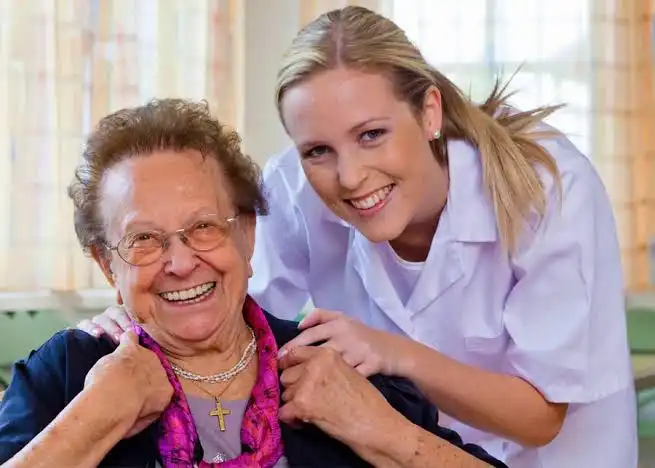
Caregivers support individuals with daily living needs across three primary environments, each with distinct dynamics. Home care settings involve one-on-one support in a client’s private residence, fostering personalized relationships and flexible routines. Assisted living facilities are community-based spaces where caregivers support multiple residents with activities like meal preparation, medication management, and social engagement, often working in structured team environments. Senior support environments, such as adult day care centers or memory care units, focus on specialized needs for seniors with cognitive impairments or mobility challenges, providing supervised activities and health monitoring during daytime hours.
Key Caregiver Qualifications
Most entry-level caregiver roles require a high school diploma or GED, along with completion of a state-approved training program covering topics like infection control, safe lifting techniques, and basic first aid. Many employers also mandate a background check and proof of current CPR certification. For specialized roles, such as memory care caregivers, additional training in dementia support, like the programs offered by the Alzheimer's Association, may be required. Some states also require caregivers to obtain a home health aide certification, which involves 75 hours of classroom and hands-on training followed by a competency exam.