
What Is a CNA to LPN Bridge Program?
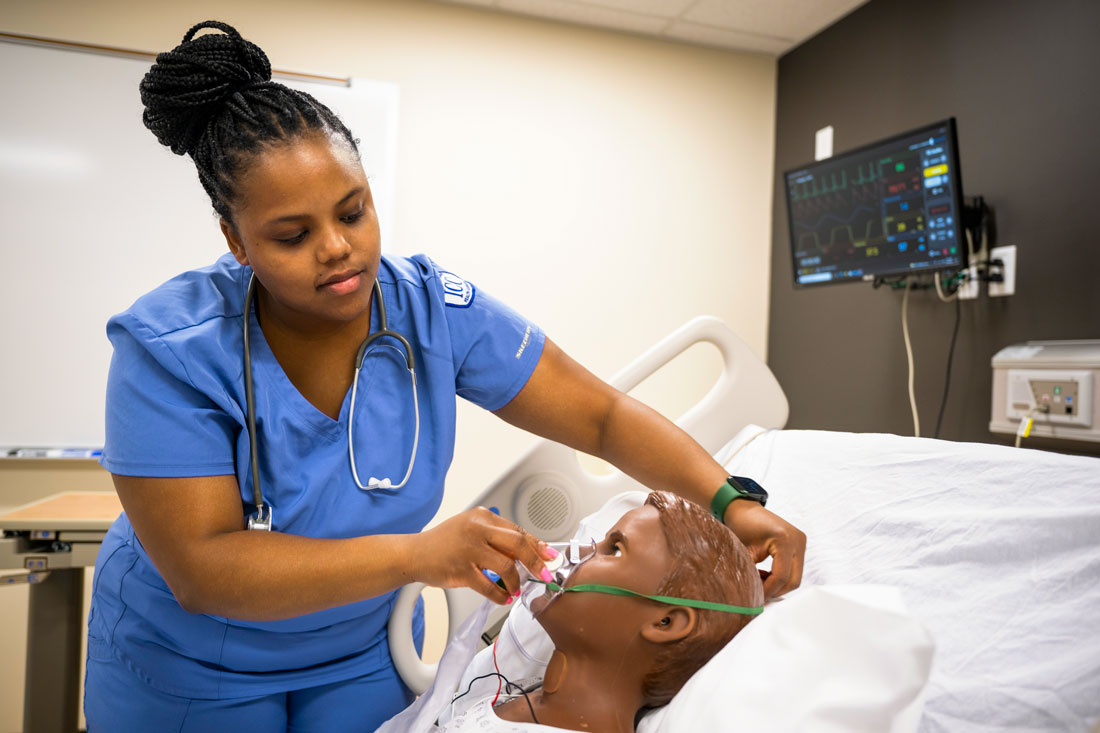
A CNA to LPN bridge program is an educational pathway designed for current or former CNAs who want to move into practical nursing. While CNAs focus mainly on daily living support, basic patient observation, and direct care assistance, LPNs have a broader clinical role that may include medication administration, wound care, patient monitoring, documentation, and communication with the broader care team.
Not every school uses the phrase “bridge program.” Some institutions may call the pathway a practical nursing program, LPN certificate program, LPN diploma program, or accelerated LPN program for healthcare workers. The key point is whether the program recognizes prior CNA experience, offers practical nursing coursework, includes supervised clinical training, and meets state board of nursing requirements.
Most practical nursing programs include classroom instruction, lab practice, and clinical rotations. Common subjects may include anatomy and physiology, pharmacology basics, medical-surgical nursing, maternal-child nursing, geriatric care, mental health concepts, infection control, and professional nursing responsibilities.
Can You Get Paid While Training to Become an LPN? Information by Age Group
Some people researching Licensed Practical Nurse (LPN) education also wonder whether it is possible to receive compensation while completing training. The answer depends on the type of program, the education provider, and the employer involved.
In many cases, traditional LPN programs offered by community colleges, technical colleges, and vocational schools are educational programs that require students to pay tuition and complete classroom instruction, laboratory practice, and supervised clinical training. These programs generally do not provide wages during the education period.
However, some healthcare employers, workforce development organizations, or apprenticeship initiatives may offer employment-based training pathways that combine work experience with education. These opportunities vary by employer, state, and local workforce programs and are not available through every LPN school.
The age groups shown below are general planning categories only and should not be viewed as admission, employment, or compensation criteria.
Age Group | Information to Review |
|---|---|
18–24 years old | Entry requirements, prerequisite coursework, clinical schedule, and education costs |
25–34 years old | Full-time or part-time study options, employer-supported pathways, and licensing steps |
35–44 years old | Career transition planning, program length, clinical training requirements, and schedule flexibility |
45–54 years old | Study format, work responsibilities if employer-supported, and state nursing board requirements |
55+ years old | Physical participation requirements, clinical placement expectations, student support, and program structure |
When researching programs that mention paid training, prospective students may wish to review:
Whether the opportunity is offered by a school or an employer
Employment status during the training period
Program structure and expected work responsibilities
Tuition arrangements and any education-related costs
State licensing requirements
Clinical training expectations
Any service commitments that may apply after training
Because employment-supported training opportunities differ widely across the United States, program details should always be confirmed directly with the education provider or employer before making enrollment decisions.
For many prospective students, comparing curriculum quality, state approval, clinical learning opportunities, and licensing preparation may be just as important as understanding whether compensation is available during training.
How Paid Training and Accelerated Pathways Commonly Work
Post-Graduation Paid Orientation or Residency Programs (Often Several Weeks): Some healthcare organizations offer paid orientation or residency-style programs for newly licensed LPN graduates. These programs are typically designed to provide supervised clinical experience, workplace onboarding, and transition support for entry-level nurses. Program length and compensation vary by employer and location.
Employer-Supported Career Pathways: Some healthcare employers may hire individuals into entry-level healthcare support roles, such as CNA or patient care assistant positions, while supporting longer-term nursing advancement pathways. In some cases, short-term CNA training programs lasting several weeks may serve as an introduction to healthcare work before pursuing LPN education.
Accelerated or Fast-Track LPN Programs: Certain schools offer accelerated Practical Nursing pathways that condense coursework schedules. However, most approved LPN programs in the U.S. still generally require several months of study and clinical training before eligibility for licensure.
Top Paid LPN Training Programs in the US
Several healthcare organizations and workforce development initiatives in the United States offer training pathways that may help aspiring Licensed Practical Nurses (LPNs) gain clinical experience while receiving employer-sponsored support or paid training opportunities. Program structures, eligibility requirements, compensation arrangements, and educational obligations vary by employer and state.