
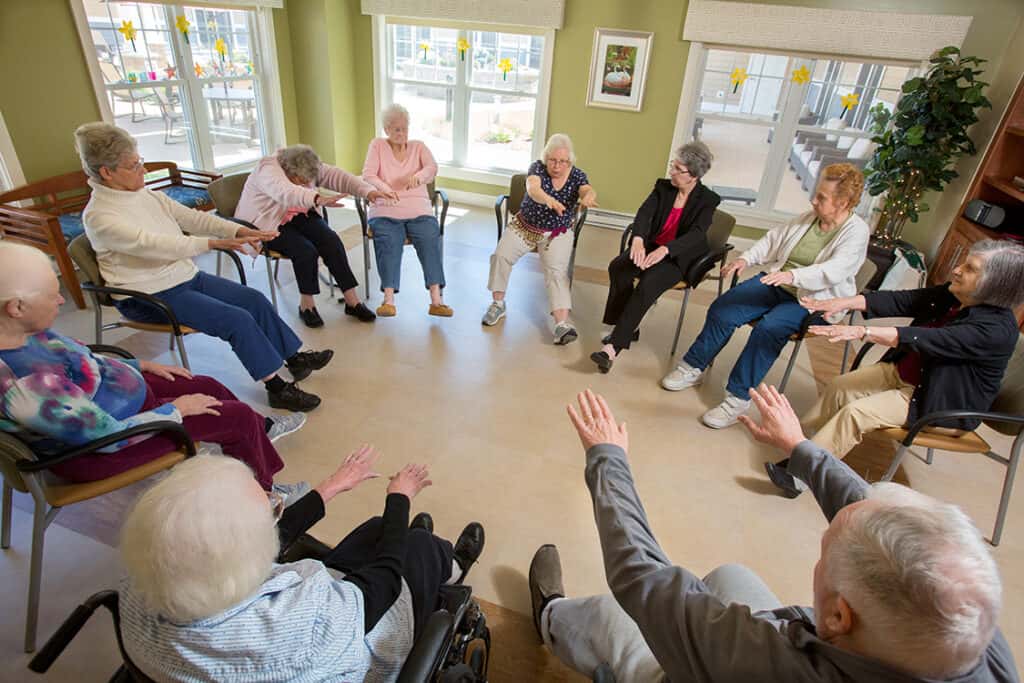
As people age, finding a safe, comfortable, and affordable place to live becomes one of the most important life decisions. This guide explains the main housing programs for seniors, how they work, and how to find help in your local area.
Understanding Housing Programs for Seniors
Housing programs for seniors are designed to meet different needs, budgets, and levels of independence. Some focus on affordable rent, others on daily support services, and some combine housing with care.
Common goals of senior housing programs include:
Providing safe and accessible living spaces
Supporting seniors who want to age in place
Offering community, social connection, and basic care
Reducing housing insecurity among low-income older adults
When people search online for phrases like senior housing near me or places for elderly to live near me, they are often looking for one of the options below.
Assisted Living Residences
Assisted living residences are ideal for seniors who are mostly independent but need help with daily tasks such as:
Medication reminders
Bathing and dressing
Meal preparation
Housekeeping
These residences offer private or semi-private apartments along with shared dining and activities. While costs can be higher than basic senior apartments, some assisted living communities accept Medicaid waivers or local assistance programs, depending on the state.
This option suits seniors who value independence but want 24/7 support nearby.
Senior Apartments and Affordable Senior Housing
Senior apartments are typically age-restricted (usually 55+ or 62+) and designed for independent living. They do not include medical care but often provide:
Accessible layouts (elevators, grab bars, ramps)
Lower rent through government or nonprofit support
Community rooms and social activities
Many low-income seniors qualify for subsidized senior housing, including: