
What Does a House Caregiver Do?
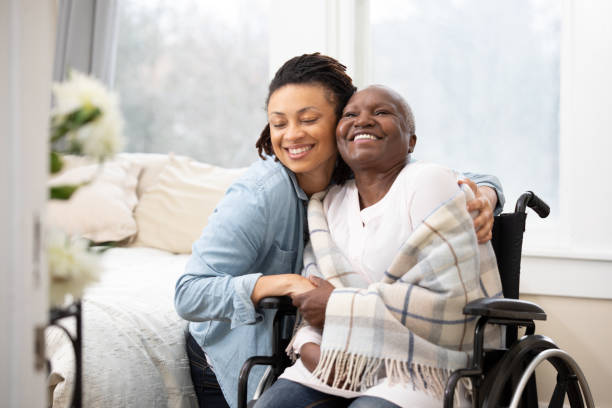
A house caregiver typically helps a person with daily living activities in a home-based environment. The exact duties depend on the client’s needs, the employer, state rules, and whether the caregiver is providing non-medical or medically supervised support.
Common non-medical caregiving duties may include:
Area of Support | Common Examples |
|---|---|
Personal care | Bathing support, dressing, grooming, toileting reminders |
Daily living help | Meal preparation, light housekeeping, laundry |
Mobility support | Helping someone move safely, fall prevention reminders |
Companionship | Conversation, social support, basic activity engagement |
Medication reminders | Reminding a client to take medication, where allowed |
Transportation support | Accompanying clients to appointments or errands |
Observation | Reporting changes in condition to a supervisor or family |
Caregivers generally do not perform medical procedures unless they have the required license, certification, training, and employer authorization. More clinical roles may require Certified Nursing Assistant credentials, home health aide training, or supervision from a licensed healthcare provider.
Understanding Different Caregiving Work Settings
Caregiving jobs can vary widely depending on the care setting. A caregiver working in a private home may provide one-on-one support for a single client. In Care Homes, assisted living communities, or residential care settings, caregivers may support multiple residents during a shift.
In-home caregiving is often more personal and routine-based. The caregiver may learn the client’s schedule, preferences, mobility limitations, and household expectations. By contrast, care homes may involve structured shift work, team coordination, and facility policies.
Before applying, it is helpful to understand whether the position is:
Non-medical home care
Home health care under a licensed agency
Residential care or assisted living support
Companion care
Family caregiving
Private-duty care
The U.S. Department of Health and Human Services provides caregiver resources for people supporting aging, seriously ill, or disabled individuals, while the National Institute on Aging offers information about care services for older adults living at home.
Basic Qualifications for Becoming a House Caregiver
Many entry-level caregiver jobs do not require a college degree, but employers usually look for reliability, patience, communication skills, and the ability to follow care instructions. Some employers may require a high school diploma or GED, while others may prioritize relevant experience.
Common requirements may include:
Minimum age requirement, often 18 or older
Legal authorization to work in the U.S.
Background check
Drug screening, depending on employer policy
Valid driver’s license for transportation-based roles
CPR or first aid certification, if required
State-specific caregiver training
Ability to lift, stand, bend, or assist with mobility safely
Training requirements vary by state and job type. For example, home health aides working for Medicare-certified home health agencies are generally subject to federal training standards, while non-medical caregiver requirements may depend on state rules, agency policy, and the care tasks involved. PHI notes that federal home health aide training minimums include 75 hours, though some states set higher standards.