
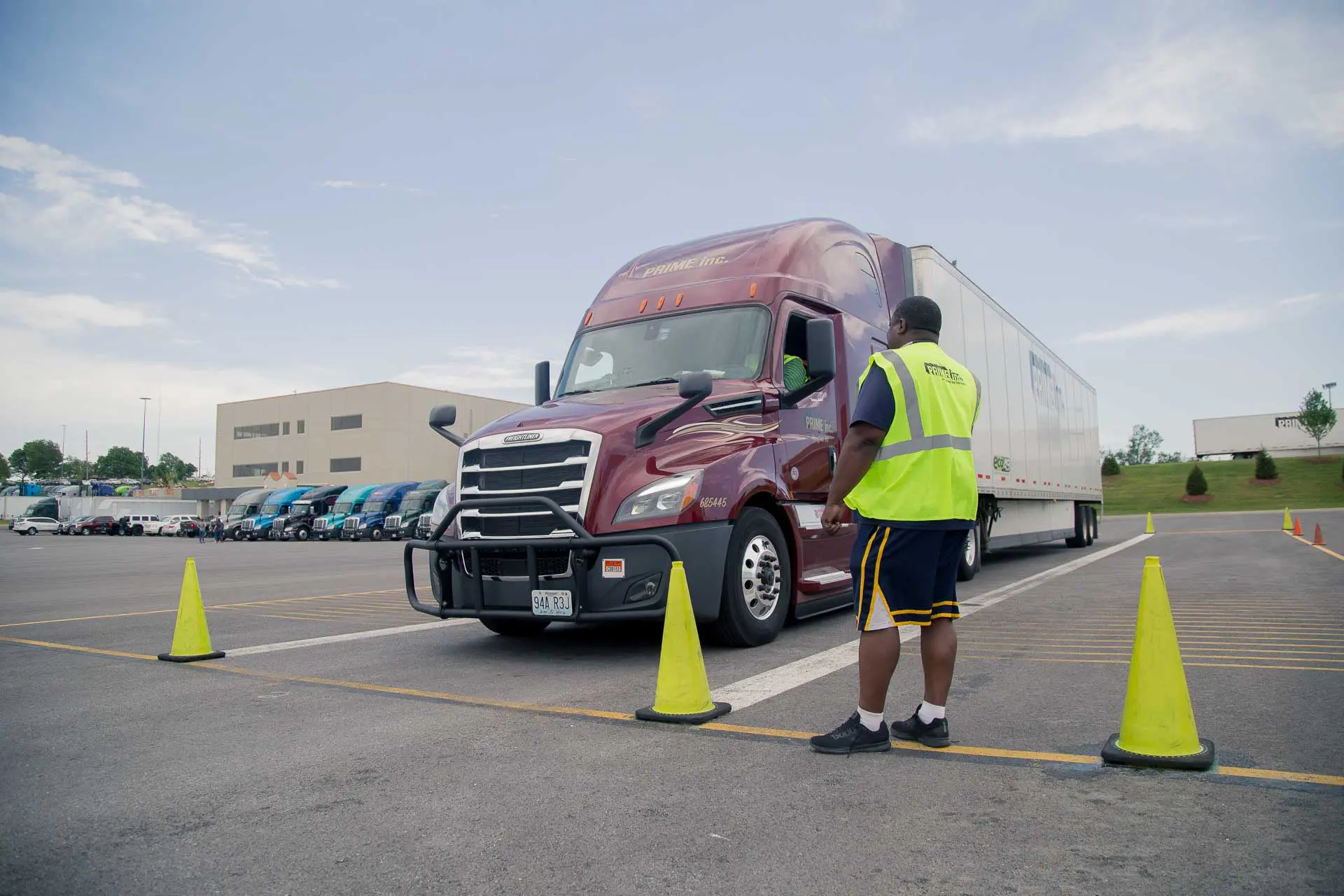
In this guide, you can understand how these programs work, what obligations may apply, and how to compare truck driving jobs after training.
What Is Paid CDL Training?
Paid CDL training usually refers to a training arrangement where an employer, motor carrier, or training partner helps cover some or all of the cost of CDL instruction. In many cases, the training is connected to a future driving job with the same company or an affiliated carrier.
These programs can vary widely. Some companies may cover tuition upfront. Others may offer financing, payroll deductions, reimbursement after a period of employment, or a training contract that requires the driver to work for the company for a set amount of time. Because the details differ, it is important to read the agreement carefully before enrolling.
The Federal Motor Carrier Safety Administration states that entry-level drivers subject to Entry-Level Driver Training rules must complete required training from a registered training provider before taking certain CDL skills or knowledge tests. The FMCSA Training Provider Registry is used to help verify that required training has been completed.
How to Earn While Learning: Paid CDL Training Opportunities by Age Groups
Many people exploring Paid CDL Training Programs are looking for opportunities that allow them to gain commercial driving skills while earning income during training. Employer-sponsored programs, apprenticeships, and company-supported driver development pathways are often available to adults at various stages of their careers.
Whether you are 18–24, 25–34, 35–44, 45–54, or 55+, eligibility requirements may differ based on federal regulations, state licensing rules, insurance requirements, and employer hiring policies. Some programs focus on recent workforce entrants, while others welcome career changers seeking a transition into the transportation industry.
When comparing paid CDL training options, it may be helpful to review:
Minimum age requirements
Commercial learner permit (CLP) prerequisites
Compensation during training
Program length and structure
CDL licensing support
Employment opportunities after training
Interstate versus intrastate driving eligibility
Because requirements and program availability vary by employer and location, prospective applicants should review current training details directly with the carrier, training provider, or apprenticeship sponsor before applying.
How Company Paid CDL Training Commonly Works
Company Paid Cdl Training is often structured as a path from training to employment. A typical process may include an application, background review, motor vehicle record check, drug screening, medical certification, permit preparation, classroom or theory instruction, behind-the-wheel training, CDL testing, and supervised driving after hire.
Some companies operate their own training programs, while others partner with third-party CDL schools. In either case, applicants should confirm whether the training provider is listed in the FMCSA Training Provider Registry if the training is required for the CDL class or endorsement being pursued. Training providers registered in the registry self-certify that they meet applicable federal and state training requirements.
Paid training does not always mean there are no costs or obligations. A program may include conditions such as a minimum employment period, repayment terms if the driver leaves early, equipment fees, licensing fees, or separate costs for permits and medical exams.
5 Best Paid CDL Training Programs in the USA in 2026
For people researching paid CDL training opportunities, it can be helpful to understand the types of employer-sponsored programs commonly available across the trucking industry. While program structures, compensation, eligibility requirements, and hiring commitments vary by company and location, several large carriers are frequently mentioned by job seekers exploring CDL training pathways.