
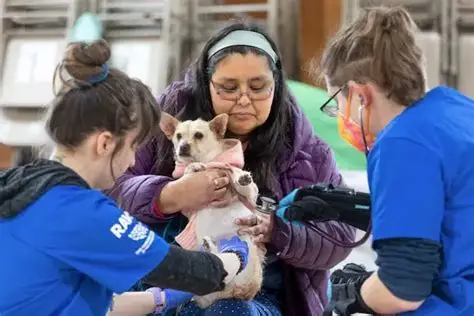
Understanding Pet Assistance Programs
Pet assistance programs are designed to help owners keep their pets healthy and, when possible, prevent unnecessary surrender to shelters. The type of support available depends heavily on location, funding, eligibility rules, and the urgency of the pet’s needs.
Some programs focus on basic needs such as pet food and supplies. Others help with medical care, including vaccinations, spay or neuter surgery, dental care, or emergency treatment. In certain communities, animal welfare groups may also provide short-term foster care or temporary boarding for people dealing with hospitalization, housing instability, domestic violence, or natural disasters.
The Humane Society notes that people struggling to afford a pet may be able to find help with veterinary expenses, pet food, and related support through animal welfare organizations and local resources.
Government-supported pet assistance program
There is no single nationwide federal program that pays for routine pet expenses for all low-income pet owners. However, government-supported pet assistance programs may exist at the state, county, or city level, often through animal services departments, public shelters, or public-private partnerships.
These programs may include low-cost vaccination clinics, spay and neuter vouchers, pet licensing support, disaster preparedness resources, or community pet food distribution. Some local governments also coordinate with nonprofit shelters to provide supplies or temporary assistance for residents in need.
For example, New York City’s animal welfare resources page lists support options for people with pets, including pet food, supplies, and other local services for residents. In some states, animal population control programs may also help eligible residents access lower-cost spay, neuter, or vaccination services.
Government involvement is often indirect. A city or county may fund an animal shelter, partner with a humane society, or provide grants to organizations that serve pet owners. In disaster situations, federal and state agencies also provide guidance on including pets in emergency planning. USDA’s Animal and Plant Health Inspection Service states that it provides national leadership on the safety and well-being of pets and other animals during disasters.
Because programs vary widely, pet owners should check local animal services departments, municipal shelters, county health departments, and state agriculture or animal welfare offices for current information.
Pet Food Banks and Supply Assistance
Pet food banks are among the most common forms of pet assistance. They may be operated by animal shelters, rescue groups, churches, community centers, or general food banks that include pet supplies.
These programs may provide dry or wet food for dogs and cats, cat litter, leashes, collars, crates, or basic grooming items. Some programs serve anyone in temporary hardship, while others require proof of income, residency, pet ownership, or participation in public benefit programs.
Pet food assistance is usually limited by donations and inventory. A household may receive support once per month, a few times per year, or only during emergencies. Since availability changes frequently, it is useful to confirm hours, documentation rules, and pet food supply before visiting a distribution site.
Low-Cost Veterinary Care
Veterinary care is one of the largest expenses associated with pet ownership. Routine exams, vaccines, parasite prevention, diagnostic tests, dental procedures, and surgery can become costly, especially when several services are needed at once.