
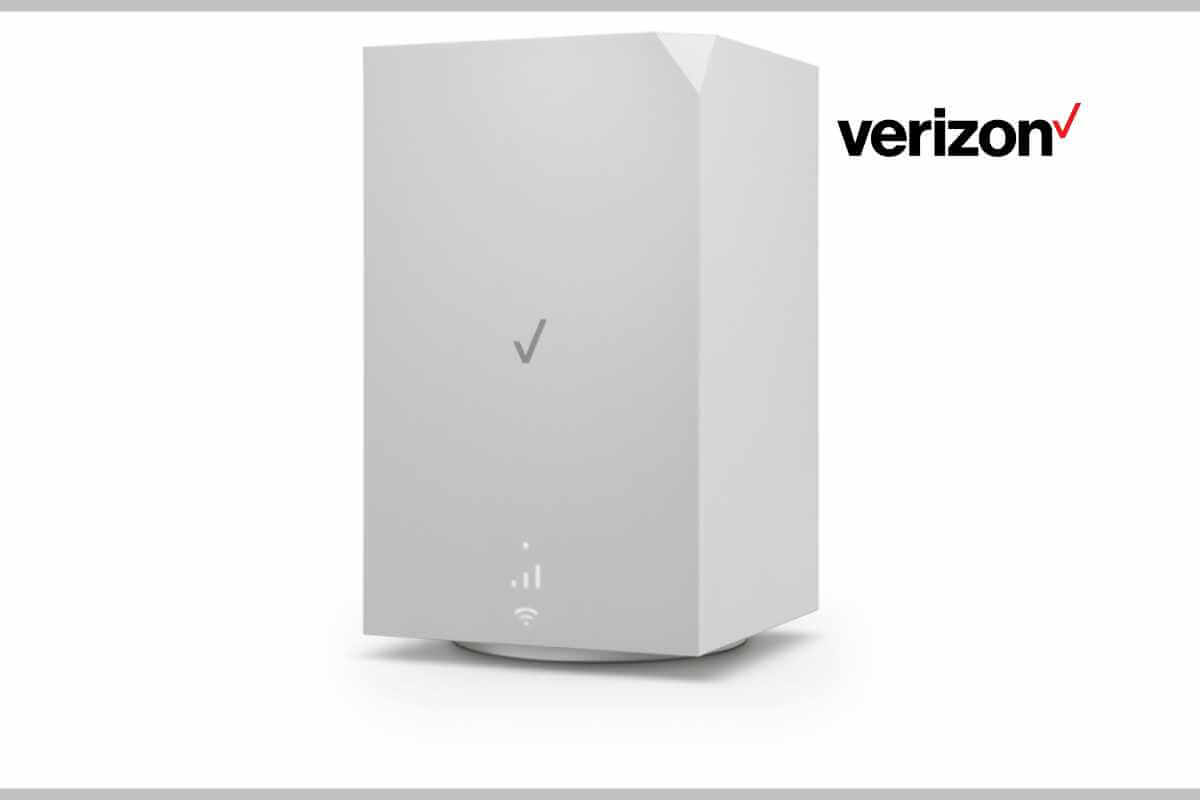
Understanding Verizon Home Internet Options
Verizon’s home internet lineup generally includes fiber internet through Verizon Fios, wireless home internet through 5G Home Internet, and in some areas LTE Home Internet or other Verizon Home Internet options. Verizon’s own home internet page directs users to check whether Fios, 5G Home Internet, or LTE Home Internet is available at their address, which is important because not every service is offered in every ZIP Code or neighborhood.
For consumers, the main difference is the technology behind the connection. Fiber internet uses fiber-optic lines to deliver service directly or close to the home. 5G Home Internet uses Verizon’s wireless network, particularly 5G Ultra Wideband where available. LTE Home Internet uses 4G LTE technology in areas where other Verizon home internet options may be limited.
Verizon Fios: Fiber Internet for Eligible Addresses
Verizon Fios is Verizon’s fiber-optic home internet service. Fiber internet is often valued because it can provide strong performance for households that need stable speeds, lower latency, and the ability to support multiple connected devices. For users who work from home, upload files, take frequent video calls, or use cloud-based tools, fiber can be especially useful because many fiber plans offer stronger upload performance than some older cable or wireless options.
Fios availability is location-based. It is commonly associated with parts of the Northeast and Mid-Atlantic, but availability must still be checked at the exact address. A household in one city may qualify for Fios, while another address nearby may only see wireless or another internet option.
When reviewing Fios plans, users should compare more than the advertised monthly price. Important details include speed tier, taxes and fees, equipment terms, installation options, autopay requirements, promotional credits, price guarantees, and whether any discounts require bundling with a Verizon mobile plan.
5G Home Internet: Wireless Broadband for the Home
5G Home Internet is Verizon’s wireless home internet service powered by its 5G network. Verizon describes 5G Home Internet as a wireless home broadband option using 5G Ultra Wideband, while noting that availability must be checked by address and that speeds can vary due to factors affecting cellular networks.
This type of service can appeal to households that want a cable-free setup or live in areas where fiber is not available. In many cases, setup may be simpler than traditional wired internet, though self-setup may not be available in all locations. Because it depends on wireless signal quality and network conditions, performance may vary based on address, home layout, local network capacity, weather conditions, equipment placement, and nearby obstructions.
5G Home Internet may be suitable for everyday browsing, streaming, video calls, and general household use. However, users who need very consistent latency for competitive gaming, heavy uploads, or specialized work applications should compare performance expectations carefully before choosing between 5G Home Internet and a wired option such as fiber or cable.
Comparing Fios and 5G Home Internet
The best Verizon home internet plan depends on the user’s address and household needs. Fios may be preferable when fiber is available and the household needs consistent wired broadband performance. 5G Home Internet may be a practical option when fiber is unavailable, when the user wants a simpler setup, or when the available wireless plan fits the household’s speed and budget needs.